

Cloud-Clone’s Integrated Research Toolkit Propels Global R&D of Anti-Aging Drugs for UV-Damaged Skin
All-round standardized solutions cover cellular screening, molecular biomarker testing and in vivo animal model evaluation for photoaging research
HUSTON, TX, UNITED STATES, August 17, 2026 /EINPresswire.com/ -- As solar ultraviolet radiation peaks in summer, UV-induced photoaging has become a core research focus for developing anti-aging pharmaceuticals, as more researchers and consumers pay close attention to skin health and anti-photoaging therapies. Chronic UV exposure triggers DNA lesions, oxidative stress, collagen breakdown and persistent inflammation, serving as the dominant extrinsic cause of wrinkles, sagging, hyperpigmentation and dull complexions. Drawing on nearly two decades of expertise in biological reagent development, Cloud-Clone has built a comprehensive portfolio of research tools targeting photoaging mechanisms, delivering full-spectrum experimental supplies to pharmaceutical enterprises and research institutions across the globe to validate anti-aging drug targets, assess the efficacy of skincare actives and uncover the molecular pathways of UV skin damage repair.
The mechanisms behind UV-mediated skin deterioration are highly intricate, creating significant obstacles for the development of novel anti-aging therapeutics. Skin aging falls into two categories: intrinsic chronological aging and extrinsic photoaging, with UVA and UVB radiation accounting for over 80% of all external aging triggers. After penetrating the epidermis and reaching the dermis, ultraviolet rays activate multiple destructive biological cascades. First, massive reactive oxygen species (ROS) accumulate, irreversibly damaging cellular lipids, proteins and genomic DNA. Second, aberrant transcriptional signaling accelerates the degradation of collagen and elastin, collapsing the dermal fibrous network and leading to skin laxity and fine lines. Third, sustained release of inflammatory mediators drives chronic low-grade inflammation to expedite cellular senescence, while triggering abnormal melanin deposition that forms pigmented spots.
Global anti-aging drug developers face widespread technical bottlenecks throughout their research workflows: lengthy timelines for establishing reliable photoaging models, limited options for detecting senescence biomarkers, scarce standardized reagents targeting key regulatory proteins, and poor reproducibility in efficacy tests using cellular and animal models. Traditional lab workflows rely on self-prepared antibodies, low-purity recombinant proteins and in-house assay kits, resulting in inconsistent experimental data. These flaws drastically extend the screening and preclinical application cycles of candidate drugs, hindering the advancement of innovative therapeutics designed to reverse UV skin injury.
To address every experimental demand across photoaging research pipelines, Cloud-Clone has integrated five core product lines including active recombinant proteins, target-specific antibodies, quantitative ELISA kits, primary skin cells and tissue biomarker detection assays. This one-stop research solution spans fundamental cellular mechanism exploration, in vitro efficacy screening and in vivo evaluation using animal models, fully matching every stage of anti-photoaging drug development.
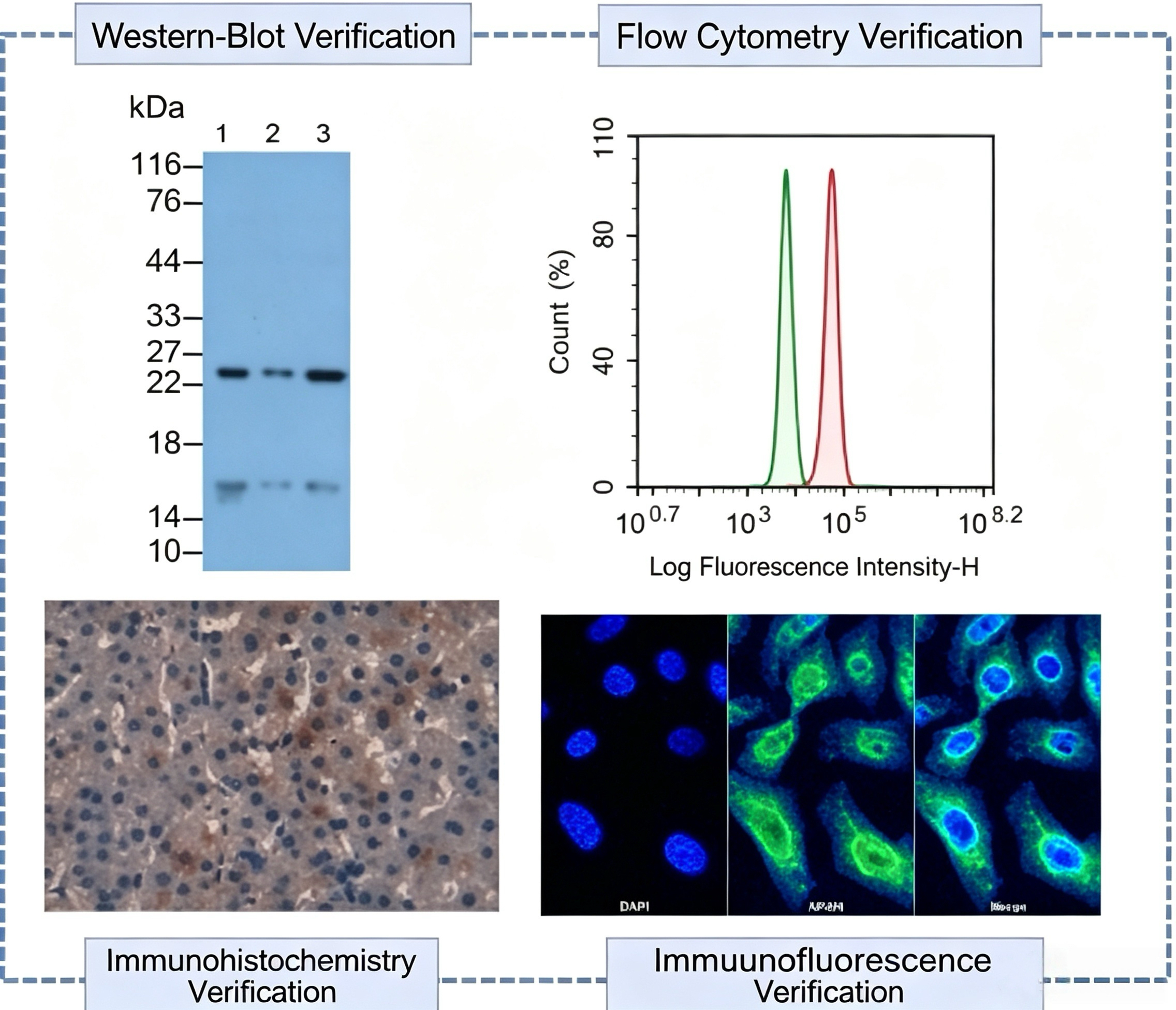
First, standardized biomarker detection reagents enable precise quantitative measurement of UV-induced skin damage and senescence severity. Cloud-Clone mass-produces validated ELISA panels, monoclonal antibodies and recombinant proteins covering all core indicators of photoaging pathways, including senescence markers p16/CDKN2A, SIRT family proteins and p53, oxidative stress indicators MDA and HO-1, as well as collagen metabolism regulators MMP1/2/3/9, type I/III collagen and elastin. Four orthogonal verification approaches—Western Blot, flow cytometry, immunohistochemistry and immunofluorescence—are applied to validate the specificity of reagents such as CDKN2A antibodies, generating cross-confirmatory data to support accurate assessment of antioxidant and anti-inflammatory performance for candidate anti-aging molecules.
Figure 1. Validation data of CDKN2A antibody
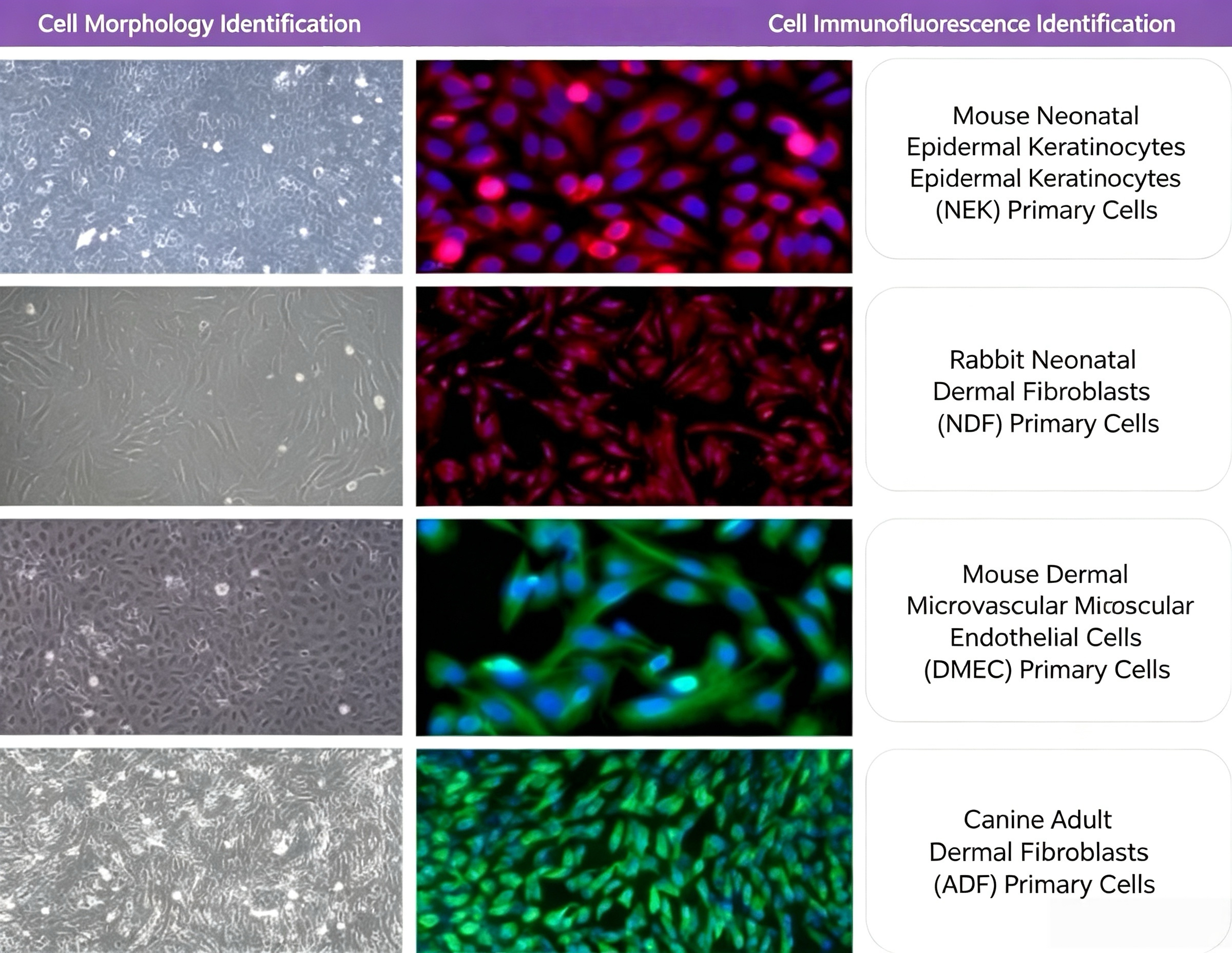
Second, hundreds of species-specific primary skin cell lines support high-throughput preliminary in vitro screening of UV damage interventions. Cloud-Clone stably supplies more than 500 types of primary cells including dermal fibroblasts, epidermal keratinocytes and dermal microvascular endothelial cells derived from multiple species, paired with custom serum-free culture media and nutritional supplements to streamline the construction of cellular UV photoaging models. Researchers at pharmaceutical firms can rapidly conduct large-scale in vitro screening of small-molecule compounds, polypeptides and natural extracts with these cell tools, efficiently eliminating ineffective candidates and cutting substantial costs associated with subsequent animal trials. Four representative primary cell types—neonatal mouse epidermal keratinocytes, neonatal rabbit dermal fibroblasts, mouse dermal microvascular endothelial cells and adult canine dermal fibroblasts—are fully characterized via brightfield morphological observation and target-specific immunofluorescence staining to guarantee cell purity and identity for consistent experimental outcomes.
Figure 2. Skin-related primary cells and validation results
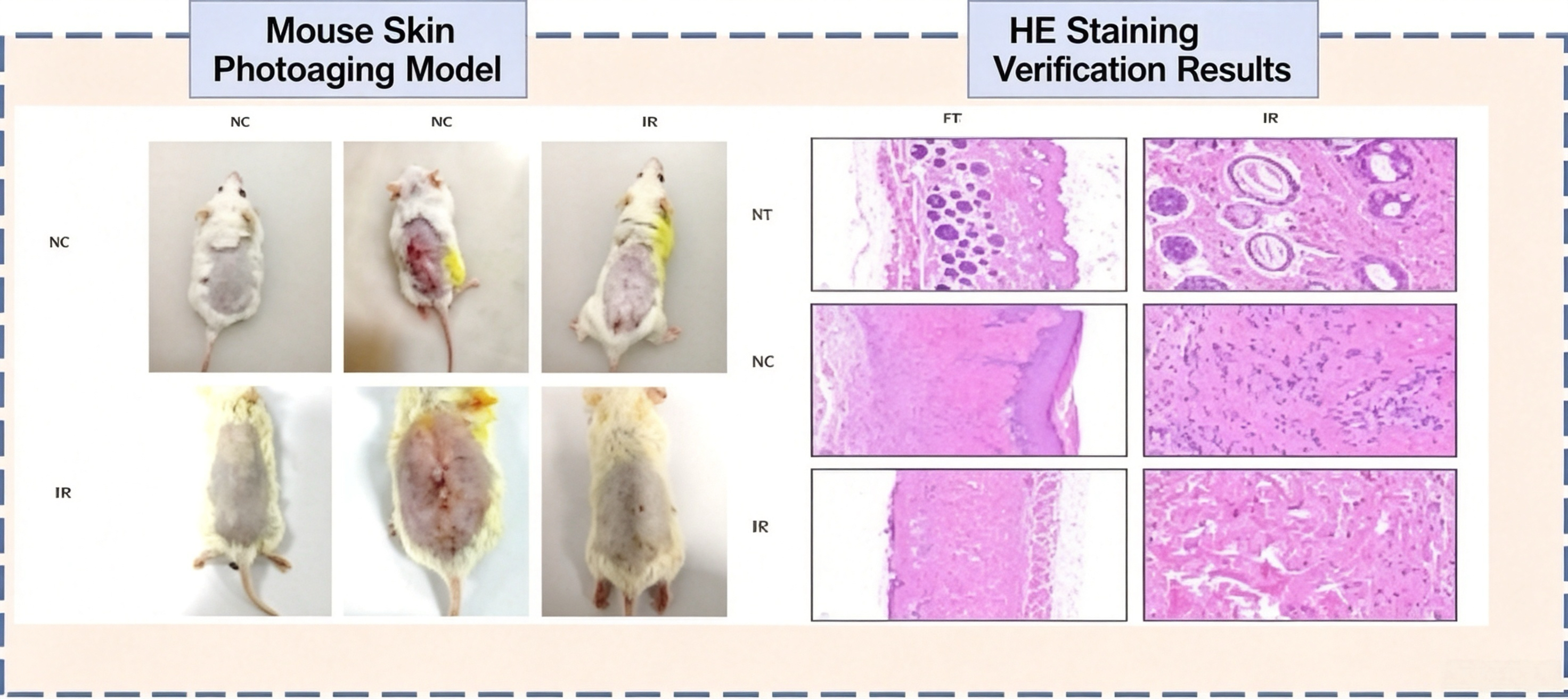
Third, matched detection protocols for animal models complete systematic in vivo efficacy assessment. Cloud-Clone provides integrated tissue testing workflows tailored to UV-induced mouse skin photoaging models and D-galactose accelerated senescence animal models. After long-term UV irradiation to establish damaged skin phenotypes, researchers can harvest mouse skin tissue and utilize supporting assay kits to quantify collagen loss, inflammatory factor concentrations and oxidative injury levels. Targeted antibodies facilitate immunohistochemical and immunofluorescence staining to localize protective effects of test compounds within dermal tissue, directly visualizing how candidate drugs restore fibrous structures and mitigate UV-triggered senescence damage. Comparative macroscopic skin imaging and HE histological staining of normal control, model and treatment groups at 5-week and 8-week timepoints clearly demonstrate structural disparities between intact and photoaged skin, forming a closed-loop efficacy evaluation system combining cellular pre-screening and in vivo animal validation.
Figure 3. Mouse skin photoaging model and validation data
Cloud-Clone’s photoaging research portfolio has supported numerous research projects focused on topical UV repair drugs, oral anti-aging formulations and medical aesthetic repair preparations, facilitating collaborative progress between academic laboratories and industrial R&D teams worldwide. Moving forward, Cloud-Clone will continue joint mechanistic research partnerships with universities and pharmaceutical developers to create exclusive detection reagents for cutting-edge targets including UV-initiated DNA damage, cellular senescence and skin barrier restoration. The company will keep refining a complete ecosystem of standardized research reagents covering basic mechanistic research, candidate compound screening and preclinical pharmacological evaluation, continuously accelerating groundbreaking progress in global R&D of therapeutics against ultraviolet-triggered skin aging.
About Cloud-Clone Corp.
Cloud-Clone Corp. is dedicated to the development and production of high-quality immunoassay reagents and detection solutions. With a focus on antibody engineering, multiplex assay development, and cross-platform compatibility, the company provides research tools designed to support precision medicine and advanced biomedical investigation globally. Our core products and services include the research and development of proteins, antibodies, ELISA kits, primary cells, and multiplex cytokine assay kits, as well as professional CRO services to fully meet the diverse needs of biomedical research and related fields.
For more information about Cloud-Clone Corp, visit www.cloud-clone.com.
CLOUD-CLONE CORP.(CCC)
Tel: 001-832-538-0970, 0086-27-8425-9552
Email: mail@cloud-clone.com, sales@cloud-clone.us
Visit us on social media:
LinkedIn: https://www.linkedin.com/company/cloud-clone-corp/
Instagram: https://www.instagram.com/cloudclonecorp2023/
TickTok: https://www.tiktok.com/@cloudclonecorp2026
SuKi Duan
CLOUD-CLONE CORP.WUHAN
email us here
Visit us on social media:
LinkedIn
Instagram
TikTok
X
Legal Disclaimer:
EIN Presswire provides this news content "as is" without warranty of any kind. We do not accept any responsibility or liability for the accuracy, content, images, videos, licenses, completeness, legality, or reliability of the information contained in this article. If you have any complaints or copyright issues related to this article, kindly contact the author above.
